Blog
Robots and Legacy Equipment
Back to Blog(s)
November 6 2025
November 6 2025
Integrating Old and New Assets into a Unified Facility Management System
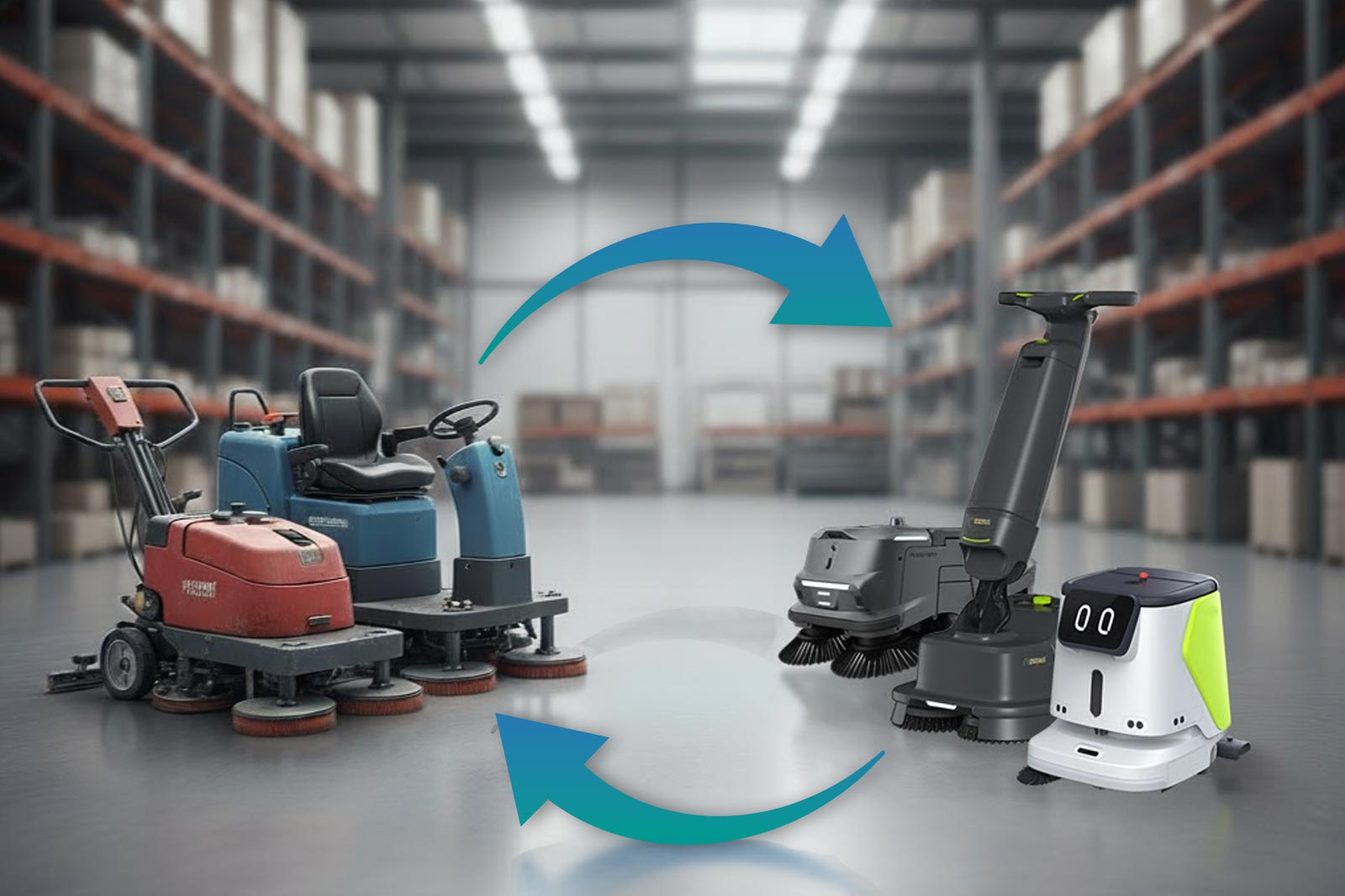
The shift towards automation in facility management is steady, but it isn’t happening overnight. While autonomous floor cleaning robots are transforming how facilities operate, many sites are in what we’ll call a “hybrid era”—incorporating robotic assets while also utilizing traditional equipment (ride-on scrubbers, vacuums, and manual tools) that has been in use for years. The challenge for many organizations is figuring out how to bridge the gap between these legacy assets and the smart, connected world of robotics and IoT.
At Pringle Robotics, we see this hybrid reality every day. The goal isn’t to replace everything at once or at all. It's to connect, unify, and optimize all assets so that every piece of equipment, from the newest autonomous robot to the older workhorse floor machine, contributes to a single, intelligent workflow.
Why Integration Matters
Even as the facilities management field is rapidly modernizing, the reality is that facility managers are still too often operating in silos of information. Cleaning logs may be tracked on paper or in spreadsheets. Maintenance records might live in another system. Cleaning robots, meanwhile, collect real-time data that never gets fully integrated into the broader picture. This fragmentation leads to inefficiency, duplication, and blind spots.
When your autonomous floor cleaning robots, legacy machines, and custodial teams all feed into a unified system, you gain a 360-degree view of operations. That’s where platforms like Pringle NOC and Pringle Pristine come in. Together, they form the digital backbone for modern facility management—providing real-time visibility, asset tracking, and data-driven decision-making.
Integration matters because it enables:
- Smarter scheduling: Align robot cleaning routes with human workflows.
- Predictive maintenance: Identify wear and tear patterns before failures occur.
- Data consistency: Merge robotic data with manual cleaning logs for complete performance reporting.
- Resource efficiency: Eliminate redundant effort and reduce downtime.
Defining “Legacy Equipment”
In many facilities, “legacy” doesn’t necessarily mean obsolete. It simply refers to assets that lack built-in connectivity—machines without IoT sensors, telematics, or cloud reporting. These could include:
- Walk-behind or ride-on floor scrubbers
- Traditional vacuums or extractors
- Pressure washers or specialty cleaning equipment
- Older HVAC or building systems with limited data interfaces
Integrating these tools into a connected ecosystem means finding creative ways to capture performance and usage data so it can flow into centralized monitoring platforms like Pringle NOC.
How to Bring It All Together
Retrofit for Visibility
The first step toward integration is making your legacy equipment “visible.” This can be done by adding sensor modules or telematics devices that can start generating valuable operational data. Our partner, ARMOR Asset Management, has specialized in the development of asset management devices for the facilities and logistics industries since 2011. Cleaning equipment running the gamut from commercial vacuum cleaners, to floor polishers, to large ride-on or walk-behind scrubbers can easily be fitted with these IoT-connected devices to track and measure metrics like run time, power usage, charge time, location and battery life.
Once these assets begin reporting basic metrics, you can stream that data into the Pringle NOC dashboard, where it sits alongside robotic performance and maintenance analytics. The result: you can monitor all equipment, new and old, in one interface.
Connect Workflows Through Software
Even without hardware retrofits, Pringle Pristine enables teams to connect legacy workflows by digitizing task assignments, checklists, and completion records. Custodial staff using manual machines can log work in Pristine, ensuring their efforts are tracked alongside robotic coverage reports from NOC.
This allows supervisors to see where human labor and robotic cleaning intersect—and whether schedules or routes need fine-tuning.
Build a Shared Data Language
Integrating assets promotes not just connectivity, but consistency of data. By defining standard metrics (e.g., square footage cleaned, runtime per shift, downtime events), facilities can make meaningful comparisons across all equipment types.
Pringle NOC and Pristine help standardize this language by structuring data into unified reports, regardless of the equipment source.
Additional Benefits of Asset Integration
Assurance of Cleaning
When data can be generated by legacy equipment through sensors and telematics (integrated into an FMS), there’s no longer any question about whether a machine is being used according to predetermined workflows, schedules and SOPs. The data will clearly show when a machine was run and for how long, providing insight and assurance of cleaning activity, or alerting managers of work that is falling through the cracks.
Planned and Preventative Maintenance
Much like service notifications on your car, the data that can now be collected allows for advance planning of maintenance on connected machines. Instead of blindly operating an older machine until it runs into problems caused by deferred maintenance, FMS integration of equipment allows for not only active monitoring, but the creation of algorithms that trigger maintenance alerts well before problems start. This ensures continued machine health for efficient operations.
Capital Planning
By tracking and analyzing usage and performance data from a fleet of machines, facility managers can make informed decisions about equipment life cycles and replacement needs, as well as projections for future additions to the fleet. This type of monitoring can be especially helpful for lithium battery powered machines, as often, these batteries will outlive other physical components of the machines and can be transferred to new equipment, reducing costs.
The Hybrid Reality of Facility Management
For many organizations, the reality of cleaning is hybrid. Robots handle repetitive, large-scale tasks, while humans bring precision, adaptability, and judgment—with legacy assets continuing to play a supporting role.
With the right platforms—Pringle NOC for monitoring and analytics, and Pringle Pristine for digital task management—facilities can transform a mix of tools into a unified, intelligent ecosystem.
If you’re interested in learning more about the right way to integrate autonomous cleaning robots with existing legacy equipment within a unified FMS, reach out today! Our experts can walk you through a process that fits your facility and its needs.
Leave a comment below...